We know your
sector.
We hold deep context in the sectors we serve, so the work lands on the realities of your market; your buying committee, your regulator, your channel. Not generic best practice with your logo on it.

Generic best practice is just noise.
Three things change completely from one sector to another. Getting these wrong costs a quarter
Different buying committees
A spec-driven industrial buyer and a scrolling D2C shopper need different things. One wants tolerances and lead times, the other wants a reason to care in two seconds
Different proof
Regulated categories need evidence, approvals and traceability. Lifestyle categories need desire. The same claim is an asset in one and a liability in the other
Different channels
The digital shelf, the trade show floor and the clinician inbox are not interchangeable. Each has its own economics, gatekeepers and cadence
Eight industries Real depth
Where we have shipped enough work to know the market before the first meeting

Technology & IT
Buyers here research the category, read the docs and ask their peers long before they speak to sales, so the work has to earn attention where those conversations already happen. We position products that are genuinely hard to explain, build demand that survives a long committee-led cycle, and give technical audiences something they won't immediately distrust
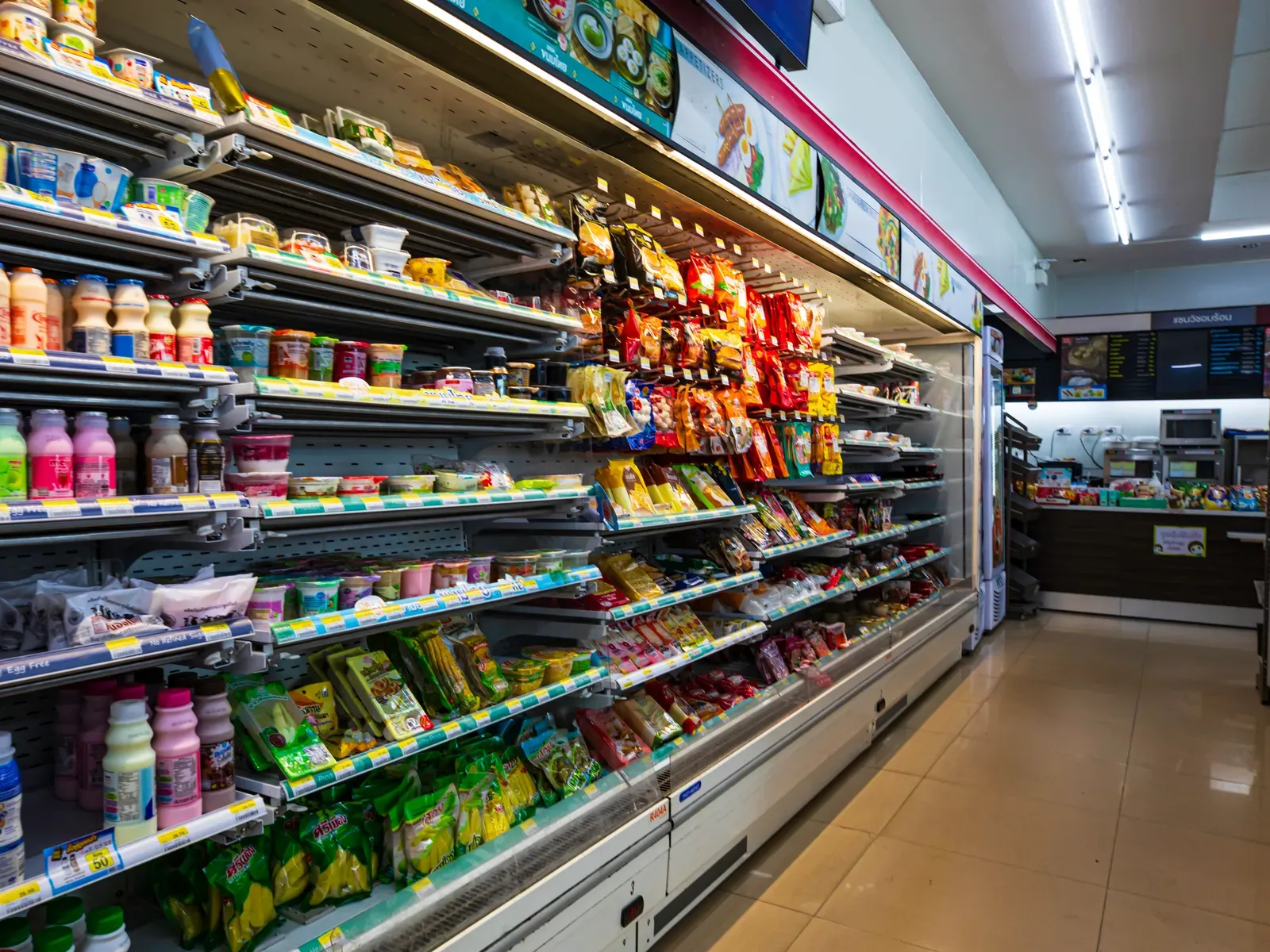
CPG & FMCG
The digital shelf decides what wins before a shopper is anywhere near an aisle. We build brands that hold their price, run always-on demand across quick-commerce, marketplace and D2C, and make sure the pack, the listing and the ad tell the same story at the same moment

Healthcare & Pharma
Growth in regulated categories is a compliance problem as much as a marketing one, and most agencies solve only one of those. We build evidence-led brand and HCP engagement inside the guardrails, commercialise medical technology, and help digital health earn the trust the category assumes it's already lost

Food & Beverage
Aggregators own the demand, which means the brand has to work harder to earn a direct relationship worth having. We drive footfall and delivery without surrendering margin, engineer multi-brand demand for the platforms, and build loyalty that makes the next order cheaper than the last
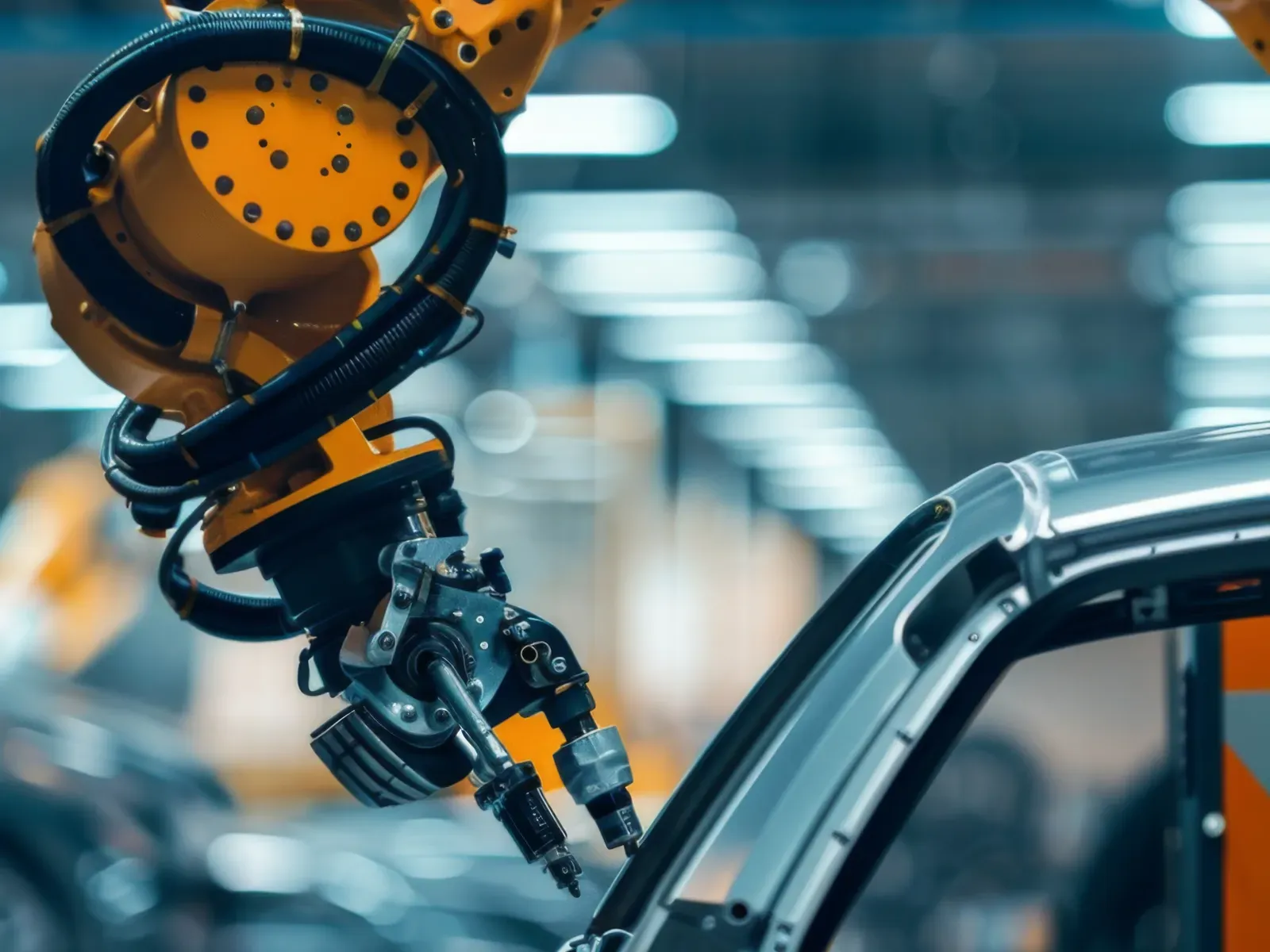
Manufacturing & Industrial
Long cycles, technical buyers, and specifiers who'll never fill in a form. We position complex systems for global buyers, run account-based programmes against named target lists, and get exporters into markets where nobody's heard the name yet

Education
Enrolment is a year-long consideration cycle with at least two decision-makers who want different things. We build reputation that shortens it, acquisition and retention for learning platforms, and admissions marketing that competes on outcomes rather than discounting

Beauty & Lifestyle
Desire moves fast and the category resets roughly every eighteen months. We launch products that sell out, build brand worlds that convert browsers into buyers, and turn a cult following into a repeatable acquisition engine rather than a lucky quarter

Startups
The constraint is rarely ambition, it's sequencing, doing the right thing before the thing that feels urgent. We build naming, narrative and a first go-to-market that lands, scale acquisition once it's working, and give founders a marketing function rather than a marketing vendor
Context first,
then the work.
The same four stages in every sector. What changes is the evidence we gather in the first one.
Immerse
We learn your category, your buyers and your competitive set before we propose anything.
Position
We find the space only you can own, and write it so every team can act on it.
Build
Creative, technology and AI ship the work, fast and to a high bar.
Compound
We measure, learn and scale what works, quarter after quarter.
The pattern repeats.
What transfers between sectors is method, not tactics. A launch narrative built for industrial exports and one built for a beauty brand share more structure than either side expects, that is the advantage of one team working across eight industries.